Some of the links in this article are affiliated.
Austria is a destination you can visit year-round—but depending on your preferences, budget, and interests, certain times of year will be much better suited than others. Crowds in Hallstatt in July, powder snow in Tyrol in February, the golden villages of the Salzkammergut in September: timing really makes all the difference.
Are you wondering when to visit Austria, and whether it’s a good place to visit in any season?
💡In this article, we’ll help you choose the best time to visit Austria based on your situation: whether you’re a family with young children, on a tight budget, a hiking enthusiast, or looking for a cultural city break.
🌸 Spring (April–June): our favorite time of year for families
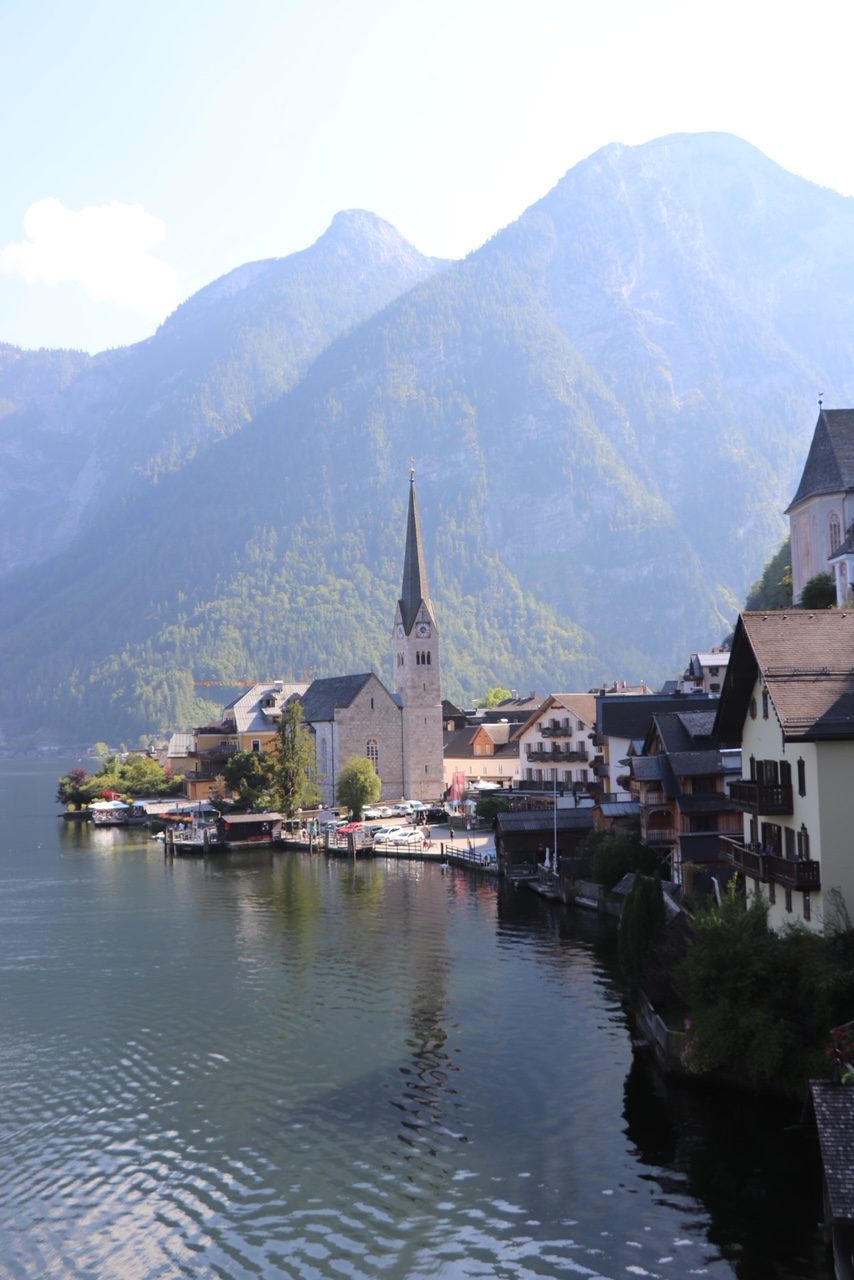
In our opinion, spring is the perfect season for a family road trip in Austria. Temperatures are mild (15–22°C), the countryside is turning green, and best of all—tourist crowds are still manageable. Hallstatt is still accessible without the summer crowds, the lakes are starting to warm up, and all the outdoor activities are already open.
✅ Spring Highlights
- May–June: ideal temperatures, nature in bloom, few visitors
- Accommodation prices are 20% to 30% cheaper than in July–August
- Perfect for family-friendly hikes
- April can still be chilly at higher elevations—be sure to pack warm clothes for the evening
⚠️ Important notes
- The lakes are still too cold for swimming until mid-June
- Some attractions may have reduced hours in April
💡 Our tip: If you're traveling with young children, May or early June is the absolute best time to go—the weather is mild, accommodations are available, and you can enjoy a relaxed, stress-free pace.
☀️ Summer (July–August): peak season, outdoor activities, and lakes
Summer is the busiest season—and for good reason. The alpine lakes reach ideal swimming temperatures (20–25°C), all activities are available, and the days are long. This is the time of year we chose for our road trip, and we don’t regret it—but there are a few things worth planning for in advance.
✅ Summer Highlights
- Swimming in the lakes (Wolfgangsee, Traunsee, Achensee) — an experience not to be missed
- All open attractions: SchafbergBahn, Grossglockner, nature parks
- Temperatures between 25 and 32°C in the valleys
- Perfect for high-altitude hikes
⚠️ Important notes
- Hallstatt in July–August: large crowds; best visited early in the morning or in the evening
- Accommodations should be booked 3 to 4 months in advance
- Higher prices across the board (accommodation, car rentals)
- Some mountain roads may be congested on weekends
💡 Our tip: Book your accommodations well in advance and plan to visit Hallstatt first thing in the morning or late in the afternoon. If you have a car, you can easily avoid the most crowded tourist areas during peak hours.
👉 Compare car rental deals in Austria — price differences can range from 30% to 40% depending on the time of year and the rental company.
🍂 Fall (September–October): our favorite time for the scenery
September is a magical time of year in Austria. The forests take on golden and coppery hues, the villages empty of their summer tourists, and temperatures remain pleasant (15–22°C). It’s also a season of traditions: the descent from the mountain pastures in Tyrol, village festivals, and new wines (the famous Sturm).
✅ The highlights of fall
- Stunning landscapes—colorful forests, the first snow-capped peaks
- Tourist numbers have dropped sharply since mid-September
- Accommodation prices are falling
- Authentic local traditions and festivals (Almabtriebe, Rupertikirtag in Salzburg)
⚠️ Important notes
- Some summer activities close at the end of September (SchafbergBahn, Grossglockner)
- The weather will become more unpredictable starting in October
- The lakes are too cold for swimming
👉 To learn all about this season’s activities and scenery: Things to Do in Austria in the Fall: Our Complete Guide.
❄️ Winter (November–March): Christmas markets, skiing, and magical Vienna
Winter in Austria is divided into two very distinct periods: the magic of Christmas from November through early January, followed by the ski season from January through March.
November–early January: Christmas markets
Vienna is one of the most magical cities in Europe during Advent. Its Christmas markets, illuminated imperial architecture, and historic cafés create an atmosphere like no other. Salzburg and Innsbruck also feature beautiful, more intimate markets.
👉 Our guide: The best cultural activities in Vienna during Christmas.
January–March: skiing and winter sports
Tyrol is home to some of Europe’s most beautiful ski resorts (Kitzbühel, St. Anton, Zillertal). However, for a trip with young children who don’t ski yet, this time of year is less ideal—non-skiing activities are limited and costs are high.
⚠️ Things to keep in mind (winter in general)
- Many attractions are closed (lakes, scenic routes, parks)
- Snow-covered mountain roads — special equipment required
- Ski season = very high prices for accommodations in Tyrol
👨👩👧👦 Based on your profile: our summary chart
| Your profile | Best time | Why |
|---|---|---|
| Family with young children | May–June or September | Mild weather, few people, reasonable prices |
| Tight budget | May or October | Off-peak season = discounted rates everywhere |
| Hiking enthusiasts | June–September | Trails are open; conditions are ideal at higher elevations |
| Cultural city break | All year round | Vienna and Salzburg are worth a visit any time of year |
| Christmas Markets | Late November – December 24 | Vienna and Salzburg are among the most beautiful cities in Europe |
| Skiing / Winter sports | January–March | Guaranteed snow in Tyrol |
| Avoid the crowds in Hallstatt | May, June, or October | A site that isn't overrun with tourists |
💡 Our recommendation for a family road trip
After several road trips to Austria with our kids—including one in July and a few trips in February, May, and November—here’s our honest take:
- May–June is our favorite time of year: pleasant weather, fewer crowds, reasonable prices, and your children can still enjoy plenty of free activities (under 6 years old).
- July–August is a great time to visit if you book early and don’t mind a bit more hustle and bustle at the iconic sites.
- September is ideal if your children are of school age and you can leave in early September—you can still enjoy the mild summer weather with significantly fewer crowds.
👉 To plan your road trip, check out:
- Our 10-day family itinerary in Austria
- Travel budget for a family trip to Austria: How much should you budget?
- Traveling to Austria with Kids: Our Complete Guide
🚗 Planning your road trip: car rental
No matter when you go, a car remains the most convenient way to explore Austria with children—it offers complete freedom, flexibility in where you stop, and the ability to bring all your gear.
We recommend comparing rates across different agencies for your travel dates: the differences can be significant, especially during peak season.
❓ FAQ – When is the best time to visit Austria?
What is the best time of year to visit Austria?
Spring (May–June) and early fall (September) offer the best balance of weather, crowds, and prices. Summer is ideal for lakes and outdoor activities, but it’s busier.
When should you avoid Austria?
July and August in Hallstatt can get very crowded. If you don’t like crowds, consider visiting this iconic site in May, June, or September.
Is it hot in Austria in the summer?
Yes, temperatures reach 28–32°C in the valleys in July and August. At higher elevations (Tyrol, the Alps), it’s cooler—ideal for hiking.
Is it possible to visit Austria in the winter without skiing?
Yes, especially for the Christmas markets (Vienna, Salzburg, Innsbruck) between late November and December 24. Outside of this period and the ski season, winter is less appealing because many attractions are closed.
When is the best time for a family road trip in Austria?
May–June or early September are the ideal times to visit: mild weather, attractions that aren’t overcrowded, reasonable prices, and plenty of activities suitable for young children.
Leave a comment